
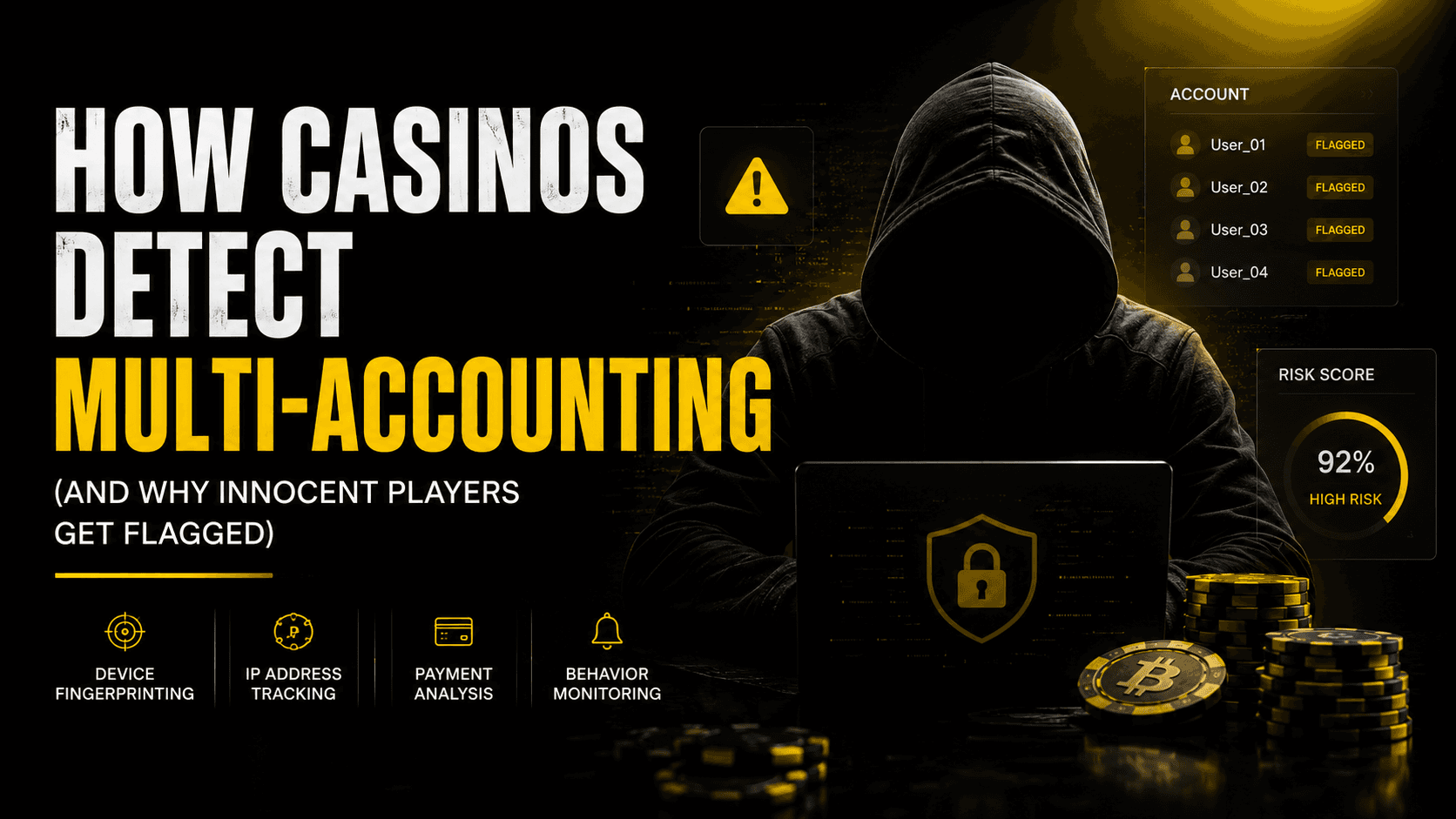
How Casinos Detect Multi-Accounting (And Why Innocent Players Get Flagged)
Nothing feels worse than opening your casino account and suddenly seeing:
"Your account has been flagged for suspicious activity."
For many players, it happens completely out of nowhere. Withdrawals get frozen, verification requests appear, and support starts mentioning duplicate accounts or bonus abuse investigations.
The problem is that most casinos never clearly explain what actually triggers these systems. And sometimes, even legitimate players end up getting caught in automated security checks designed to stop fraud.
Here’s how multi-account detection really works and why innocent users sometimes get flagged alongside actual abusers.
What Is Multi-Accounting?
Multi-accounting simply means creating or using more than one account on the same casino platform.
In most online casinos, this violates the terms and conditions because bonuses, loyalty systems, and promotions are usually limited to one account per person, household, or payment method.
Casinos aggressively monitor this because multi-account abuse costs them money. Some players create duplicate accounts to:
claim welcome bonuses multiple times
bypass limits
avoid restrictions
exploit promotions
As a result, modern gambling platforms use increasingly advanced systems to detect suspicious account behavior.
How Casinos Actually Detect Multiple Accounts?
Most players assume casinos only look at email addresses or usernames.
In reality, the tracking systems are far more complex.
IP Address Monitoring
One of the most basic signals is the IP address.
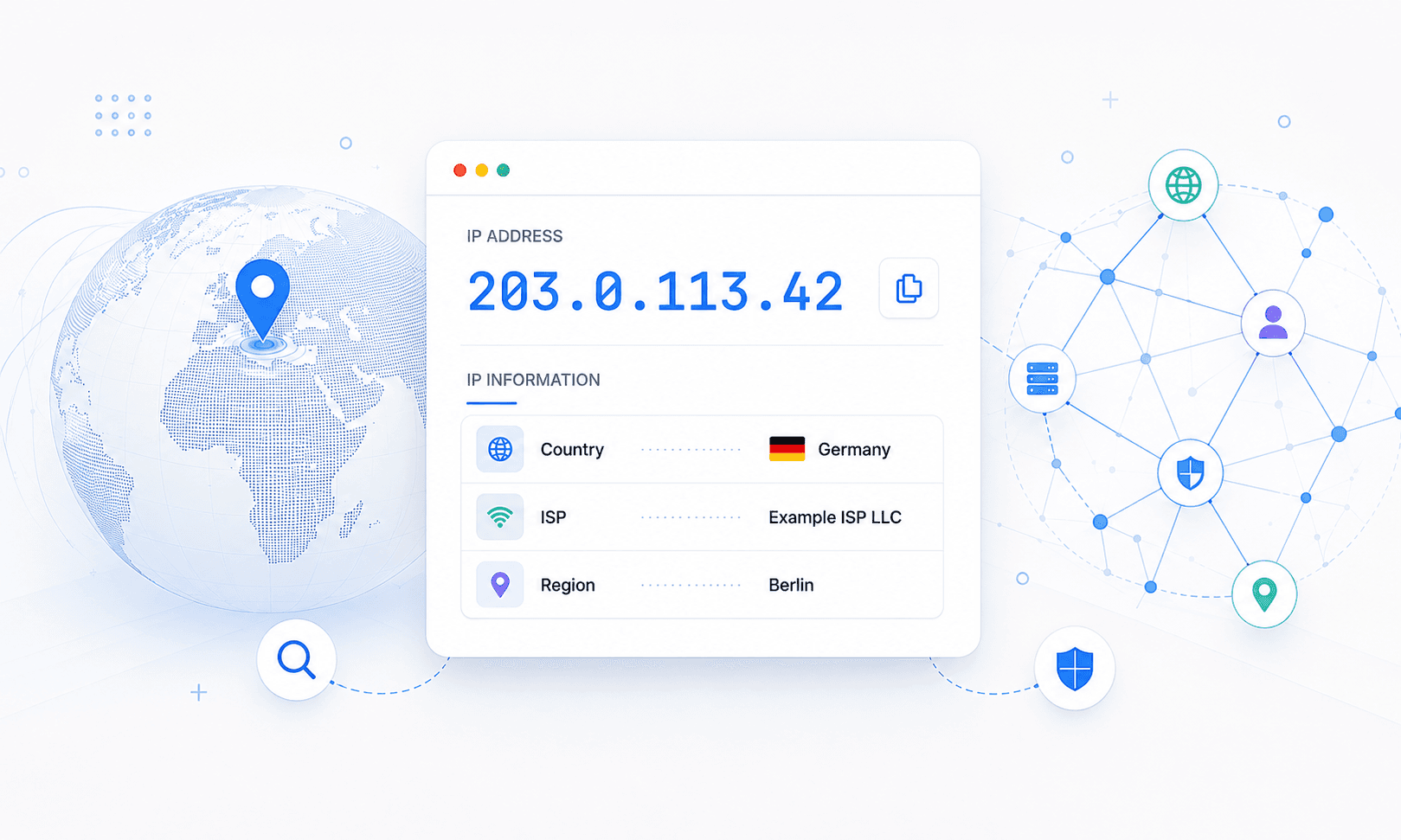
If several accounts repeatedly log in from the same network, casinos may assume they belong to the same person. This becomes especially sensitive when:
bonuses are claimed
withdrawals are requested
accounts play in synchronized patterns
However, this is where innocent players sometimes get affected.
For example:
- couples living together
- roommates
- family members
- people sharing public Wi-Fi
can accidentally trigger risk systems.
Device Fingerprinting
Modern casinos often use device fingerprinting technology.
.png&w=3840&q=75)
This allows platforms to identify:
browser settings
screen resolution
operating systems
installed fonts
device IDs
other technical patterns
Even if someone changes accounts or uses a VPN, the system may still recognize the device itself.
This is one of the main reasons casinos can detect repeated registrations surprisingly quickly.
Payment Method Analysis
Shared payment methods are one of the biggest red flags.
Casinos closely monitor:
crypto wallet reuse
bank cards
e-wallets
linked banking details
If two accounts use the same withdrawal destination, risk teams may immediately start reviewing both profiles.
This is also why some players suddenly encounter delayed withdrawals after depositing from a wallet previously connected to another account.
Behavioral Tracking
Many platforms now analyze player behavior itself.
This includes:
betting patterns
login timing
game selection
bonus usage
navigation habits
If several accounts behave almost identically, casinos may suspect coordinated activity or organized bonus abuse.
Some gambling operators even use machine-learning systems to identify unusual patterns automatically.
Why Innocent Players Sometimes Get Flagged?
This is where things become frustrating.
Security systems are designed to be aggressive because casinos prefer false positives over missed fraud.
As a result, perfectly normal situations can sometimes trigger investigations:
siblings playing from the same house
shared internet connections
traveling players using VPNs
recycled crypto wallets
public networks in hotels and cafés
In many cases, the issue is not that the player did something illegal.
The problem is simply that the account resembles patterns commonly associated with abuse.
The Biggest Red Flags Casinos Watch For
Certain actions almost always increase scrutiny.
Claiming Bonuses Immediately After Registration
This is one of the strongest triggers for risk systems, especially if combined with fast withdrawals.
Constant VPN Usage
VPNs alone are not always prohibited, but constantly changing locations can make an account appear suspicious.
Multiple Accounts Sharing Wallets
Using the same crypto wallet across different accounts is one of the fastest ways to trigger manual review.
Extremely Similar Betting Activity
When several accounts consistently place nearly identical bets, casinos may assume coordinated abuse.
What Happens After You Get Flagged?
Usually, the process moves into manual review.
This may include:
additional KYC requests
source-of-funds verification
temporary withdrawal holds
account restrictions
full investigations
Some reviews finish within hours.
Others can last several days depending on:
payout size
platform policies
severity of the detected signals
This is also why many players first encounter verification only after requesting a withdrawal.
How To Avoid Getting Flagged?
While no system is perfect, a few habits significantly reduce the chances of triggering unnecessary reviews.
Avoid Sharing Payment Methods
Try to use payment methods connected only to your own account whenever possible.
Be Careful With VPNs
If a casino allows VPN usage, avoid constantly switching countries or devices during active sessions.
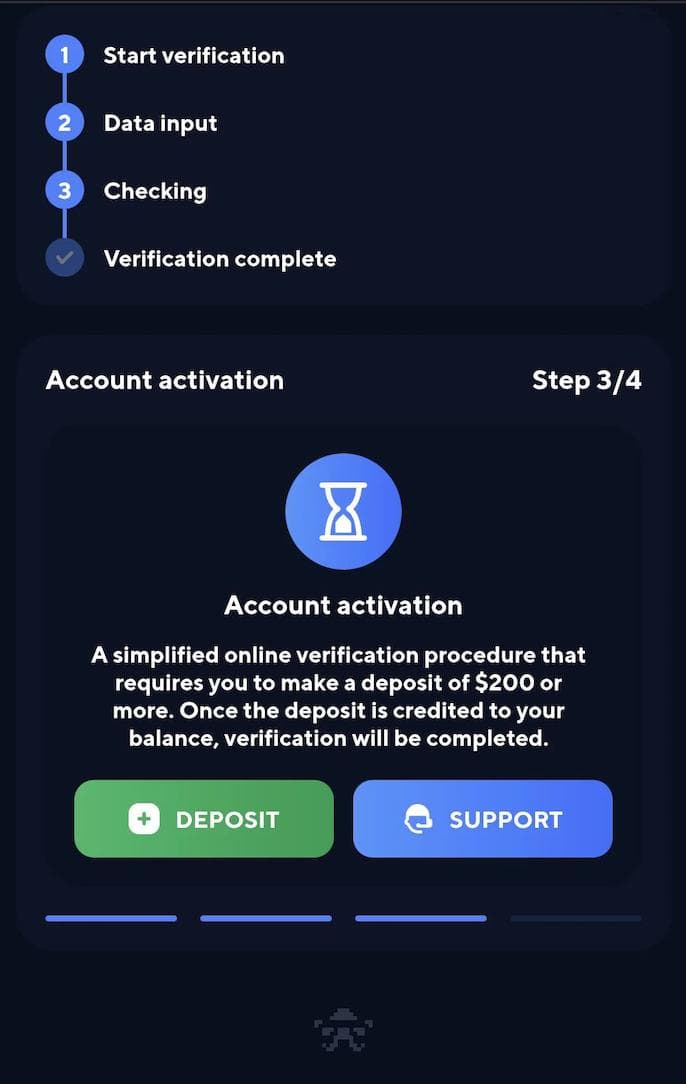
Complete Verification Early
Finishing KYC before large withdrawals often reduces delays later.
Read Bonus Terms Carefully
Many account investigations begin after bonus-related activity, especially when wagering conditions are involved.
Final Thoughts
Most online casinos take multi-accounting extremely seriously because fraud prevention directly affects their business.
But the downside is that automated security systems do not always distinguish fraud from normal behavior perfectly.
For players, understanding how these systems work can make a huge difference, especially when it comes to avoiding unnecessary withdrawal delays, reviews, or account restrictions.
Platforms with transparent verification policies and clearly explained security procedures usually feel much safer for long-term play.